
A clothing hanger factory checklist is useful when every question points to the hanger you plan to buy and to evidence the supplier can show. Start with the quoted model, material and required operations. Then follow those details through the production arrangement, sample and order documents. If you are still identifying candidates, use the manufacturer sourcing guide.
The 12 checks below are a buyer’s review aid. They do not certify a factory or replace a professional audit required by your organization or customer. Legal identity and payment checks have a separate role, covered in verifying a Chinese clothing hanger factory before a first order.
Establish the product and manufacturing route
Bring the quotation, model reference and the latest requirements to the review. For each check, record what you saw, the document or sample reference and the person answering. Keep missing evidence beside the relevant item for follow-up.
1. Relevant hanger models
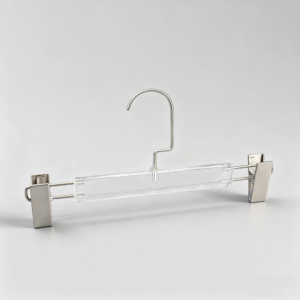
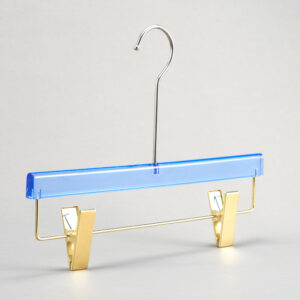
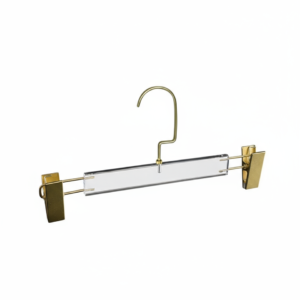
Compare the proposed product with examples the supplier can show. Look for the construction your garments need, including shoulder shape, bars or clips and the required finish.
Request the model sheet and an identified physical sample or a live view of that model. Note differences between the example and the quotation. A photo of a similar hanger is an initial reference; it leaves the exact configuration to be established.
2. Existing tooling or development work
Find out whether the price is based on an existing body, a modification or a new design. Ask which model or drawing identifies the tooling basis and which features still need development. For customization discussions, Lelvion’s OEM page explains the model-specific options to define before quoting.
For an existing model, request a model-linked sample and dimensions. For proposed changes, request a marked drawing or written description showing what changes and what remains unchanged.
3. Material specification
Record the quoted hanger model and its specified body material. Compare these details with the sample reference and the final written specification, and resolve any differences before approving the order.
4. Product-specific process route
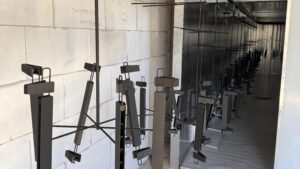
Have the supplier describe the steps needed to turn the quoted configuration into a packed hanger. Depending on the product, these may include body molding, coating, hardware assembly, logo application and packing.
Request a simple process route with the location and responsible party for each applicable step. During a visit or video review, compare the explanation with the relevant equipment and work areas. Record operations you could not observe instead of treating a general workshop tour as evidence for all of them.
Identify who performs the work
5. On-site and external responsibilities
For any supplier under review, use the process route to identify which steps take place at the reviewed site and which, if any, involve another producer. Establish who sends the instructions and who handles a mismatch when work moves between sites.
Request the locations and responsible contacts for operations that affect the order, together with an example of the specification passed to the other party. Confidential commercial details can be redacted. The evidence still needs to show which operation and product it covers.
6. Hardware and assembly
Follow the selected hook, bar or clip configuration through assembly. Compare the component shown with the quoted finish, shape and attachment method. Only assess functions that apply to the selected product.
Request a component reference or assembly instruction and compare it with the sample. Ask the supplier to demonstrate any specified movement, adjustment or attachment on that configuration. Record what was demonstrated; a hand-operated demonstration provides no general load or lifetime rating.
7. Coating and branding responsibilities
For coated or branded products, identify where the finish and logo will be applied and which reference the operator receives. For the supplier under review, establish who handles each operation and record the responsibilities separately.
Request the finish reference and artwork revision used for the selected sample, plus an explanation of how they reach the relevant operation. Compare a finished example with those references. Do not treat a logo mock-up as proof of an approved physical finish.
Trace the approved product into order records
8. Sample identity and exceptions
Match the sample in the meeting to the quotation’s model and the buyer’s current project. Identify any substituted hook, unfinished logo or provisional color so the sample’s approval scope is clear.
Request a sample reference, date and photographs showing identifying features. Add a short list of differences still awaiting approval. This prevents a useful fit sample from being mistaken for approval of all decoration and packing details.
9. Written specification version
Compare the sample with the document intended to instruct production. Relevant fields include model, dimensions and measurement points, body material, finish, hardware, logo and packing.
Request the current specification or drawing revision and have the supplier identify the copy used for the order. If the quotation and drawing conflict, record which field needs a decision.
10. Changes after approval
Ask the supplier to walk through how a changed hook or artwork file would reach the people using the earlier instruction. Identify who accepts the change and how obsolete instructions would be distinguished from the current version.
Request an example change record, with customer information removed, or a written explanation for the proposed order. It should identify the affected product, the revision and the approval so the buyer can trace the current instruction.
11. Relevant production records
Choose a record that can be connected to the product or process under review. A work instruction, job record or inspection sheet is useful only when its identifiers explain what it covers.
Request an appropriately redacted example showing the product reference, operation, date and recorded result where applicable. Compare those identifiers with the supplier’s explanation. If no relevant example is available, record the missing evidence and decide what further review is needed. A blank form shows intended fields; it does not show that someone completed a check.
12. Packing instructions and carton identification
Follow the packing requirement from the order document to the instruction used for pack-out. Review pieces per carton, carton dimensions, model identification and any agreed label or separation requirements.
Request a packing instruction or proposed pack-out reference and label layout for the model. Compare their identifiers and quantities with the order specification. If protection is still a proposal, record it as pending agreement rather than as an established factory practice.
Turn missing evidence into specific follow-up work
For each open point, record the missing item, who will supply it and the decision it affects. For example, an unidentified finishing site needs clarification of the production route; an unapproved logo sample needs a product approval.
A remote review can compare documents, samples and a live explanation of the site. It leaves questions about operations you did not observe and records you could not connect to the product. Use those gaps, your purchasing policy and the order’s exposure to decide whether an independent site review is needed. Reviewing the factory also leaves the bulk goods to be assessed against their own agreed requirements.